


Protect Your Pet on the Road: An In-Depth Guide to Travel-Related Diseases and How to Prevent Them
Traveling with your pet can be an incredibly rewarding experience—but it’s not without risks. From new environments to increased exposure to unfamiliar pathogens, travel presents unique health challenges that many pet owners don’t anticipate.
Whether you’re planning a cross-country road trip or a weekend getaway, it’s essential to prepare your pet for the journey ahead. At Twin Lakes Veterinary Hospital, we’re here to help you identify and prevent the less obvious but highly impactful risks your pet may face on the road.
Schedule a pre-travel consultation to ensure your pet is ready for safe travels.
Health Risks Pets Face While Traveling
Respiratory Infections from Roadside Stops
Dog parks at rest areas and roadside green spaces may harbor contagious illnesses such as:
- Canine Infectious Respiratory Disease Complex (Kennel Cough): Spread through nose-to-nose contact or shared water bowls.
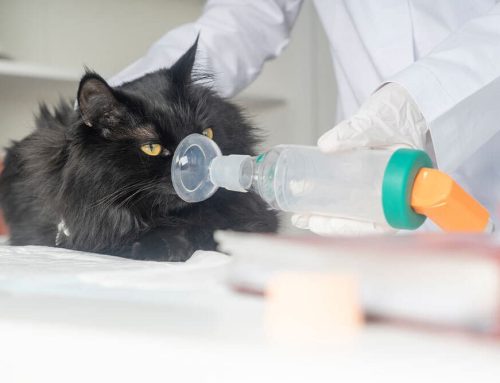
- Feline Upper Respiratory Infections: Easily transmitted in shared or high-traffic pet areas.
Learn more about feline respiratory infections – ASPCA Pro
More on kennel cough in dogs – AKC
Stress-Induced Diarrhea
Changes in routine, car motion, or anxiety can cause gastrointestinal upset, especially in sensitive pets.
- Symptoms: Loose stool, straining, or refusal to eat
- Prevention: Avoid sudden diet changes, maintain feeding routines, and ask your vet about probiotics or calming supplements before travel
Skin Conditions on the Go
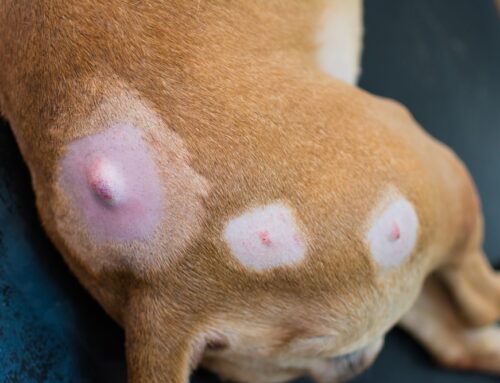
Hot Spots from Allergies or Parasites
Increased outdoor exposure may lead to:
- Hot, moist areas of inflamed skin often triggered by allergies, insect bites, or matted fur after swimming
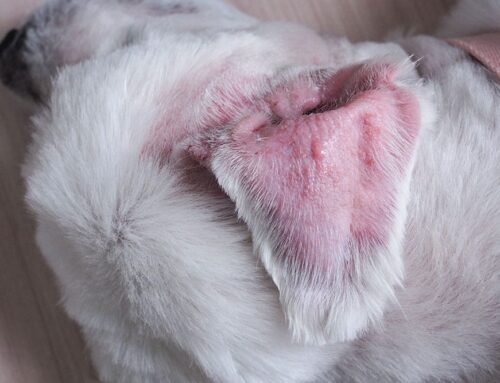
Sunburn
Pets with light-colored fur or exposed skin (like on noses or bellies) are at risk for sunburn—especially after hikes or beach trips.
- Tip: Use pet-safe sunscreen and avoid peak sun hours
Parasite Bites
New regions may introduce fleas, ticks, and mosquitoes your pet hasn’t encountered before. These can lead to skin irritation, hot spots, or disease transmission.
- Prevention: Use a veterinarian-recommended flea, tick, and heartworm preventive year-round
Orthopedic Injuries from Increased Activity
Hiking, climbing into and out of cars, or running across uneven terrain can result in:
- Sprains, soft tissue injuries, or even ligament tears
- Stiffness after travel, especially in older pets
Tip: Encourage frequent breaks, limit high jumps, and allow time for stretching and rest.
Environmental Risks You Might Not Expect
Altitude & Heart Disease
Pets with heart conditions may struggle at higher elevations due to reduced oxygen.
- Signs to watch for: Labored breathing, fainting, or coughing
- Talk to your veterinarian before traveling to mountainous areas
Salt Water Ingestion
Pets not used to oceans may drink from saltwater sources, leading to saltwater toxicity:
- Symptoms: Vomiting, diarrhea, tremors, seizures
- Always offer plenty of fresh water and rinse pets after swimming
Blue-Green Algae
Warm, stagnant lakes can harbor toxic algae. Even a small amount ingested while swimming or licking fur can be deadly.
Understanding the dangers of blue-green algae – AAHA
Head-Out-the-Window Hazards
It’s a classic sight—but allowing your pet to ride with their head out the car window can cause:
- Corneal Ulcers: Debris, bugs, or wind can injure the eye
- Ear infections or trauma
- Sunburn on noses or ears
Keep windows closed or only cracked, and consider safety eye protection for dogs who ride often.
Core Travel-Related Diseases & Prevention
Heartworm Disease
- Vector: Mosquitoes
- Symptoms: Coughing, fatigue, exercise intolerance
- Prevention: Monthly heartworm prevention
Heartworm prevalence by region – CAPC
Leptospirosis
- Spread through: Contaminated water or wildlife urine
- Prevention: Vaccination and avoiding standing water
Leptospirosis in Pets – AAHA
Tick-Borne Diseases
Lyme disease, ehrlichiosis, and anaplasmosis are more common in wooded or grassy travel areas.
- Prevention: Year-round tick preventives and avoiding high-tick areas
Rabies
Always a concern when traveling near wildlife or in regions where rabies is endemic.
- Prevention: Ensure your pet’s rabies vaccination is current
Pet Travel Guidelines – USDA APHIS

Before You Go: Plan Ahead for Safe Pet Travel
Veterinary Pre-Travel Consultation
Discuss your destination with your vet so you can plan for:
- Regional disease risks
- Altitude changes
- Vaccination updates
- Motion sickness or anxiety support
FAQs on Traveling with Your Pet – AVMA
Safe Travel Practices
- Use secure carriers or harnesses
- Offer frequent hydration breaks
- Avoid unfamiliar water sources
- Maintain temperature control in your vehicle
Heat Safety Tips for Pets – AAHA
Emergency Preparedness
- Know emergency vet locations at your destination
- Keep a pet first-aid kit on hand
- Consider learning basic pet first aid
Cat and Dog First Aid – Red Cross
Safe Travel Starts with Prevention
Your pet depends on you to make safe, informed decisions while traveling. Many travel-related diseases and injuries are entirely preventable with a little preparation and the right precautions.
Before you hit the road, schedule a pre-travel exam at Twin Lakes Veterinary Hospital. Together, we’ll make sure your pet is healthy, protected, and ready for adventure.




Leave A Comment