


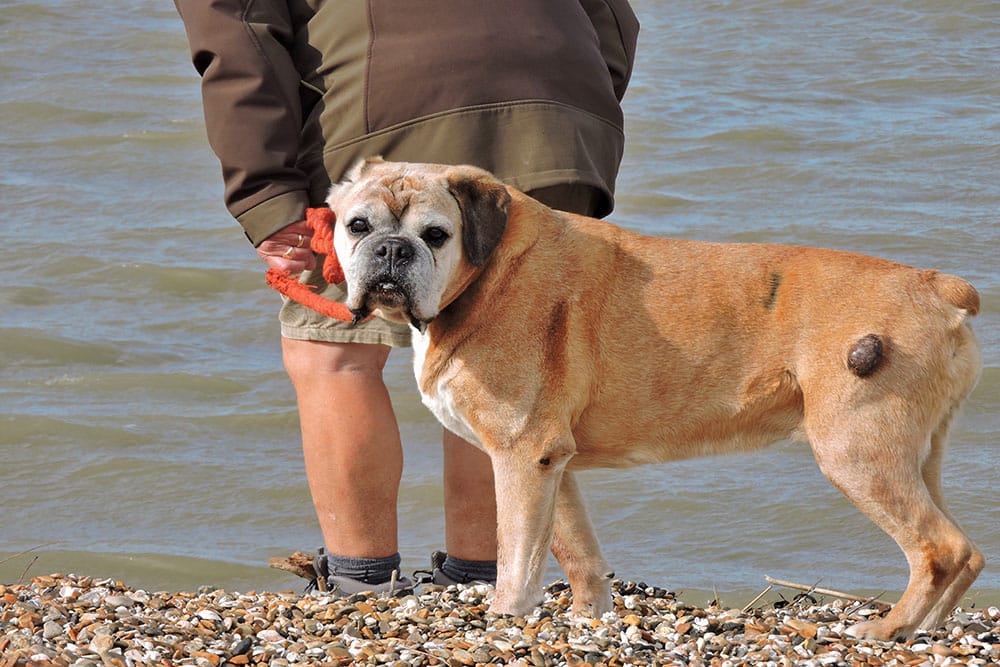
Have you ever noticed a lump or bump on your pet? It’s easy to dismiss these little masses, hoping they are nothing, but that moment of discovery often brings a wave of worry.
What does this lump mean for your pet? While many growths are harmless, it’s important to know which signs indicate a more serious issue. If that tiny bump begins to change in texture, bleeds, or causes your pet irritation, scheduling a veterinary exam for early testing is the best way to get answers and guide the next steps in their care.
At Twin Lakes Veterinary Hospital, our advanced services include diagnostics, surgery, and wellness care designed to find the cause of skin lumps quickly and comfortably. Whether your pet needs a simple check or a biopsy, our team uses cutting-edge technology and gentle handling to deliver answers efficiently. If you’ve found a lump on your pet, contact us or request an appointment. Early evaluation provides peace of mind and better outcomes.
Common Types of Benign Skin Masses in Pets
Not all lumps are dangerous. Many dogs and cats develop harmless growths as they age, and most can be easily monitored or removed if needed.
- Lipomas – Soft, movable fatty lumps that grow slowly under the skin, especially in older pets.
- Sebaceous cysts – Blocked oil glands that may drain or disappear on their own.
- Papillomas– Caused by a contagious virus, commonly seen in puppies around the mouth
During a wellness visit, your veterinarian can document and measure these areas to track any change. Even benign lumps should be noted and periodically rechecked to catch issues before they progress. Regular monitoring also establishes a “baseline,” helping veterinarians notice subtle differences that may indicate an emerging problem.
Some breeds are more predisposed to certain benign growths. Boxers and Labradors, for instance, tend to develop fatty lipomas, while Cocker Spaniels may form sebaceous cysts more often. Understanding these breed tendencies helps guide both prevention and early detection.
When to Be Concerned About Skin Masses
Most lumps grow slowly and cause no harm, but some changes deserve attention. Seek veterinary evaluation if you notice:
- Rapid growth or changes in shape
- Ulceration, bleeding, or discharge
- Pain when touched
- Firm or fixed attachment under the skin
- Loss of appetite, fatigue, or unexplained weight loss
Even small lumps can be serious depending on their type and location. Tumors near joints, eyelids, or the mouth can interfere with movement or function, making early removal more critical. If a lump bursts or becomes infected, it may cause discomfort and require urgent treatment.
Signs of Possible Cancerous Lumps in Pets
Some lumps may indicate a more serious condition. If you’re wondering, does my pet have cancer?, it’s important to look for systemic changes as well as local ones. Cancers can vary widely, from mast cell tumors and sarcomas to other types of cancer in pets. Early identification through biopsy or cytology can make a life-changing difference.
Common Cancerous Skin Masses in Dogs
Mast cell tumors are among the most frequently diagnosed skin cancers in dogs, accounting for up to 20% of all canine skin tumors. These masses arise from mast cells, which are immune cells involved in allergic reactions and inflammation. Mast cell tumors can appear anywhere on the body but are most common on the trunk, limbs, and head. They vary widely in appearance- some look like small, raised bumps that come and go in size, while others appear as angry, red, ulcerated lesions. Because mast cells release histamine when disturbed, these tumors may swell, shrink, or become inflamed unpredictably. Their behavior ranges from benign and slow-growing to highly aggressive and metastatic, making grading through biopsy essential for determining treatment and prognosis.
Melanomas develop from pigment-producing cells called melanocytes and can occur on the skin or in the mouth, nail beds, and eyes. Skin melanomas are often benign, appearing as small, dark, raised masses, particularly in areas with heavy pigmentation. However, oral melanomas and those found on the nail beds or footpads tend to be highly malignant and aggressive, frequently metastasizing to lymph nodes and lungs. Oral melanomas are especially concerning because they grow rapidly, ulcerate, bleed, and interfere with eating. Dogs with darkly pigmented skin or those with heavily pigmented breeds like Scottish Terriers and Miniature Schnauzers may be at higher risk. Any dark or pigmented mass that changes in size, shape, or color warrants immediate veterinary attention.
Other important types of skin cancer in dogs include squamous cell carcinomas, which often develop on sun-exposed areas and can appear as crusty, non-healing sores; soft tissue sarcomas, which arise from connective tissues and can grow large and invasive; and basal cell tumors, which are generally slow-growing and less aggressive. Female dogs who are not spayed also face risk of mammary tumors, with approximately 50% of these masses being malignant. Mammary tumors can range from small, firm nodules to large, ulcerated masses that attach to underlying tissue. Spaying before the first heat cycle dramatically reduces the risk of mammary cancer, highlighting the importance of preventive care.
Our veterinarians are skilled in identifying concerning signs and can perform quick, minimally invasive testing right in the clinic. If a mass changes suddenly, don’t wait. Schedule an appointment so our team can help determine the next step.
How Veterinarians Evaluate and Diagnose Skin Lumps in Dogs and Cats
When you bring your pet in, our team begins with a full medical history and thorough physical exam. We’ll discuss when you first noticed the lump, how it has changed, and whether your pet shows other symptoms such as itching, lethargy, or appetite changes. Early evaluation helps ensure that even subtle growths are properly identified before they progress.
Pet Lump Diagnostic Techniques
The most common first step is a fine needle aspiration, where cells are collected for microscopic examination. This quick, minimally invasive test provides valuable information about what the lump contains. Cytology, the study of individual cells, helps determine if the growth is benign, inflammatory, or malignant.
If results are inconclusive or the mass behaves aggressively, imaging (such as X-rays or ultrasound) and surgical biopsy may follow. In some cases, advanced diagnostics like CT scans can help identify whether tumors have spread to deeper tissues or organs. Our clinic’s diagnostic services allow same-day testing to speed decision-making and begin treatment sooner when needed.
Conditions That Can Mimic Skin Masses in Pets
Not every lump is a tumor, some arise from infection, inflammation, or allergic reactions. These conditions can look similar to more serious diseases, which is why professional evaluation is so important.
Infectious and Allergic Causes of Lumps on Pets
An abscess, for example, can appear as a painful, swollen lump that forms after a bite or wound. Outdoor cats are especially prone to these, and knowing the cat abscess symptoms can help owners recognize when urgent care is needed.
Dogs can also develop deep infections between their toes called interdigital furunculosis, which may look like a cyst or tumor, but are usually caused by allergic skin disease. Skin reactions from hives due to allergies or bites can also cause bumps and swelling that resemble masses. Our veterinarians are experienced in distinguishing these conditions and can treat infections safely, avoiding unnecessary surgery.
Treatment and Management Options for Pet Lumps
Once a diagnosis is made, treatment varies by the mass type, size, and location. Many benign lumps can simply be monitored, while others may require removal or targeted therapy. Early detection allows for smaller, less invasive surgeries and faster recovery times.
Treatment Strategies for Pet Lumps
For malignant or fast-growing growths, surgery may be recommended to ensure complete removal.
At Twin Lakes Veterinary Hospital, we design individualized surgical plans based on your pet’s condition and comfort. Our highly trained team performs routine and advanced procedures using modern monitoring and anesthesia for maximum safety. Postoperative pain control, gentle recovery spaces, and consistent follow-up are all part of our commitment to comprehensive care.
In addition to surgery, some masses may benefit from adjunct treatments such as cryotherapy or referral for oncology consultation if advanced care is required.
Recovery and Follow-Up for Pet Lumps
After any procedure, your pet’s comfort remains our top priority. We provide detailed at-home instructions, pain control options, and post-surgical follow-up to ensure smooth healing. If a mass is being monitored instead of removed, recheck visits allow us to detect changes early and adjust plans as needed.
Our ongoing commitment to affordable, high-quality care means you always have support before, during, and after treatment. We encourage owners to keep a “lump journal” with photos or notes to help track any changes between visits, an invaluable tool for early detection.

Proactive Care for Pet Lumps and Ongoing Monitoring
Even when a lump turns out to be harmless, regular observation is essential. Checking your pet’s skin during grooming, noting any changes, and keeping up with annual veterinary visits are key to prevention. Early detection not only protects health but also minimizes stress, cost, and recovery time.
At Twin Lakes Veterinary Hospital, we combine advanced technology with compassionate, practical care to make early detection accessible to every pet. Routine exams, affordable diagnostics, and personalized treatment options help us protect your pet’s comfort and longevity. Our veterinarians take the time to explain findings clearly and help you understand when to monitor versus when to act.
If you’ve found a lump or want reassurance about your pet’s skin health, reach out to our team or request an appointment today. Your peace of mind, and your pet’s health, are worth every check.




Leave A Comment