

An eyelid that rolls inward or droops outward might look like a cosmetic quirk to a casual observer, but to the dog wearing it, it is a source of constant discomfort. Entropion causes the eyelashes or lid margin to rub continuously against the cornea, the clear surface of the eye, which is as unpleasant as it sounds. Ectropion exposes the inner lining of the lid to wind, dust, and allergens, leading to chronic inflammation and secondary infections. Both conditions are correctable with surgery, and the improvement in quality of life is typically dramatic and almost immediate.
Twin Lakes Veterinary Hospital in Orillia brings quality, affordable veterinary care to Central Ontario, with surgical capabilities that include eyelid correction for both entropion and ectropion. Our team evaluates the full extent of the abnormality before recommending a surgical approach, and our services are priced with accessibility in mind. If your dog has been squinting, rubbing their face, or showing visible tearing or discharge from one or both eyes, request an appointment or contact us and we will work through a plan together.
Key Takeaways
- Entropion (eyelid rolling inward) and ectropion (eyelid drooping outward) are both correctable surgical conditions that cause significant ongoing discomfort and, in entropion’s case, can lead to corneal ulcers and vision loss if left untreated.
- Specific breeds including Shar Peis, Bulldogs, Mastiffs, Bloodhounds, and Saint Bernards are predisposed because of their facial structure and skin characteristics, though any dog or cat can develop eyelid problems with age, injury, or chronic eye disease.
- Surgical correction uses a conservative approach to remove or reposition the right amount of skin so the lid returns to a comfortable position without overcorrecting, and recovery typically takes 10 to 14 days with continuous cone use.
- Most pets experience dramatic relief from chronic eye discomfort within days of surgery, though pre-existing corneal scarring or pigmentation may not completely reverse.
What Exactly Are Entropion and Ectropion?
Entropion and ectropion are opposite anatomical problems affecting the eyelids. Entropion is inward rolling of the lid so the eyelashes and lid margin rub against the cornea with every blink, while ectropion is outward sagging of the lid that exposes the inner conjunctival tissue to the environment. Both produce chronic discomfort, both have surgical solutions, and both are most commonly seen in specific predisposed breeds.
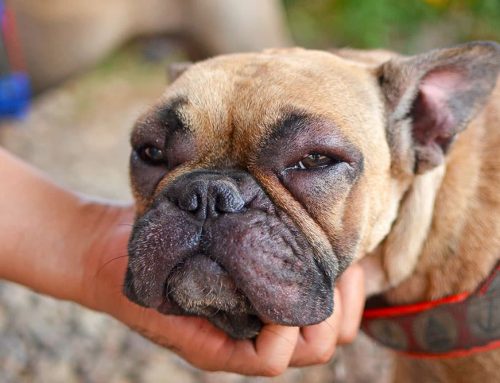
Entropion in dogs most often affects the lower lid, though either lid can be involved. The constant friction of lashes against the cornea is what creates the trouble. Imagine sand under your eyelid that never goes away, and you have a reasonable picture of what an affected dog experiences continuously. The friction causes corneal irritation, tearing, squinting, and over time can produce corneal ulcers, scarring, and even vision loss. Many affected dogs develop a sad, squinty expression that families easily misattribute to age or personality.
Ectropion creates the opposite problem: the lower eyelid sags outward, exposing the pink inner conjunctival lining and creating a pocket that collects debris, allergens, and bacteria. Affected dogs often have visible “droopy” lower lids and chronic eye drainage. The exposed tissue stays moist and irritated, leading to repeated infections.
Accurate diagnosis matters because multiple eye issues can overlap. Some dogs have entropion of the upper lid, ectropion of the lower lid, and even both conditions in the same eye, particularly breeds with substantial loose facial skin. Each pattern requires its own evaluation and surgical plan, which is why a thorough exam comes before any surgical decision.
Which Breeds Are Most at Risk for Eyelid Problems?
Genetics and facial structure play a major role in eyelid disorders. Breeds with loose facial skin, deep-set eyes, or substantial wrinkling are most affected, and the same anatomy that gives certain breeds their characteristic look is often what predisposes them to entropion or ectropion. Cats can develop these conditions too, though less frequently than dogs.
Breeds Prone to Entropion
The list of entropion-prone breeds includes:
- Shar Peis: the most dramatic example, with severe wrinkling that can affect both upper and lower lids
- Chow Chows and Mastiffs: deep-set eyes with substantial skin folds
- English and French Bulldogs: brachycephalic anatomy with multiple contributing factors
- Labrador and Golden Retrievers: surprisingly common in these breeds despite their less dramatic facial structure
- Rottweilers and Saint Bernards: large breeds with loose facial skin
- Other breeds with loose facial skin or deep-set eyes
Many hereditary eyelid conditions have been documented in specific breed lines, with responsible breeders working to reduce the genetic predisposition over time.
Breeds Prone to Ectropion
Ectropion typically affects breeds with naturally loose lower lids, including:
- Bloodhounds: the trademark droopy expression is partly characteristic, partly clinical
- Saint Bernards and Mastiffs: loose facial tissue often produces visible ectropion
- Bullmastiffs and Newfoundlands: similar conformation issues
- Cocker Spaniels: a smaller breed that nonetheless shows characteristic ectropion
Cats With Eyelid Problems
Cats can develop entropion as well, though it is less common than in dogs. Flat-faced breeds like Persians and Himalayans are at higher risk because of their facial structure. Older cats can develop entropion secondary to weight loss or chronic eye problems, and feline cases often appear later in life rather than at puppyhood-equivalent stages.
Other Contributing Factors
Beyond breed, several other factors can trigger or worsen eyelid problems:
- Age-related tissue changes: loss of skin and muscle tone in senior pets
- Chronic inflammation that distorts lid anatomy over time
- Previous injuries to the eyelid or surrounding tissue
- Pain-induced squinting (called spastic entropion) where the lid rolls in because of the squinting itself, which then causes more pain in a self-perpetuating cycle
Distinguishing structural entropion from spastic entropion matters because treatment approaches differ. Spastic entropion often resolves once the underlying pain source is treated, which is why a thorough workup happens before surgical planning.
What Symptoms and Complications Come From Untreated Eyelid Problems?
Eye discomfort produces consistent signs of eye pain that are worth recognizing early. These signs indicate genuine pain and should not be dismissed as cosmetic concerns, since the longer eyelid problems go unaddressed, the more complicated treatment becomes and the more lasting damage accumulates.
Signs to watch for:
- Squinting or holding the eye partly closed
- Excessive tearing or staining of the fur below the eye
- Visible third eyelid (the membrane that comes up from the inner corner)
- Pawing at the face or rubbing the face on furniture
- Cloudy or hazy appearance to the eye surface
- Yellow or green discharge
- Visible eyelid abnormality
- Reluctance to be touched around the head
- Reduced activity or behavior changes consistent with discomfort
Untreated entropion progressively damages the cornea, leading to:
- Corneal ulcers: open sores on the eye surface that are extremely painful and risk perforation
- Corneal scarring: can permanently affect vision
- Corneal pigmentation: chronic irritation produces dark pigment that can interfere with vision
- Increased risk of severe eye infections
Untreated ectropion produces:
- Chronic eye discharge from the exposed tissue
- Recurrent conjunctivitis from accumulated debris and bacteria
- Dry eye in the exposed tissue from inadequate tear distribution
- Chronic discomfort even though the surface damage is typically less severe than entropion
Mild cases addressed early may need straightforward correction; advanced cases with chronic corneal damage often require more extensive surgery and longer recovery.
How Do Veterinarians Diagnose Eyelid Abnormalities?
The diagnostic workup combines a careful visual evaluation with several specific tests that distinguish structural problems from pain-related lid spasms and identify any concurrent eye disease that affects treatment planning. A thorough exam takes time because cutting corners can lead to misdiagnosis, and a pet with severe corneal pain may be squinting so hard that even structurally normal eyelids appear to be rolling inward.
The standard workup includes:
- Visual assessment of eyelid position during normal blinking
- Examination of the cornea for ulcers, scarring, or pigmentation
- Fluorescein stain: a green dye that highlights corneal damage by adhering to areas where the surface layer is disrupted
- Tear production testing (Schirmer tear test), since dry eye complicates eyelid problems
- Topical anesthetic application: applying numbing eye drops temporarily eliminates pain, and if the eyelid relaxes back to normal position once pain is gone, the condition is spastic rather than structural, a distinction that guides treatment significantly
- Evaluation of the orbit and surrounding tissues
Eyelash problems including ectopic cilia (lashes growing through the inner lid surface) or distichiasis (extra rows of lashes) sometimes accompany entropion and need to be identified during the initial evaluation so they can be addressed at the same time as the eyelid correction.
What Are the Treatment Options for Eyelid Conditions?
Not every case requires immediate surgery, and the right approach depends on your pet’s age, the severity of the problem, whether the entropion is structural or pain-related, and whether anatomy is still maturing. Treatment ranges from temporary tacking that holds the lid in place while a puppy grows, to permanent surgical correction once anatomy is stable.
Temporary or Short-Term Measures
Temporary eyelid tacking uses small sutures to hold the eyelid in a more normal position for weeks to months. This is appropriate for several specific situations:
- Growing puppies whose facial structure is not yet final. Permanent surgery in a still-developing puppy can produce overcorrection as the face matures. Tacking provides comfort while waiting for growth to complete.
- Spastic entropion cases where pain is causing the lid to roll inward. Treating the underlying pain (often a corneal ulcer) along with tacking allows time to determine whether the eyelid will return to normal position once pain resolves.
- Cases where surgical timing is not ideal for other medical reasons.
Tacking can be repeated as needed, and permanent correction can be considered once anatomy has stabilized or other factors have been addressed.
Permanent Surgical Repair
Eyelid surgery offers a lasting fix when eyelid conditions are clearly structural and your pet has finished growing. The basic principles involve removing or repositioning skin to bring the lid back into proper position relative to the eye.
For entropion, the standard approach is the Hotz-Celsus procedure, which removes a small ellipse of skin below or above the affected lid. The remaining skin then pulls the lid edge back into normal position. The amount of skin removed has to be calculated carefully: too little does not correct the problem; too much causes overcorrection, essentially creating ectropion.
For ectropion, surgery typically involves shortening the lower lid horizontally to reduce the slack that allows it to droop. Various techniques exist depending on the severity and specific anatomy. For severe cases involving substantial loose facial skin (Shar Peis are the classic example), more complex procedures may include face-lifting techniques that address the entire facial conformation contributing to the eyelid problem.
A conservative surgical approach is preferred. Slightly under-correcting and revising if needed produces better outcomes than overcorrecting and dealing with the consequences. Anesthesia protocols are tailored to each patient, with continuous monitoring of vital signs throughout the procedure.
Entropion in Cats
Entropion in cats often presents differently than in dogs. Feline entropion frequently appears later in life and may occur alongside other eye surface problems like chronic herpesvirus infection. Cats sometimes need a combination of surgical techniques tailored to their specific situation, and addressing concurrent conditions like underlying viral infection is part of comprehensive treatment.
The principles of conservative correction apply equally to cats. The smaller anatomy and different facial structure require modified surgical approaches, but the goals remain the same: restore comfortable lid position without overcorrection.
What Should I Expect on Eyelid Surgery Day?
Walking through the surgical process step by step can ease anxiety for families, and most of what happens behind the scenes is geared toward making the day go smoothly for your pet. The flow is predictable, the patient is monitored continuously, and most pets go home the same day appearing groggy but otherwise comfortable.
A typical surgery day follows this sequence:
- Surgical plan review addressing any final questions and confirming the day’s procedures
- Pre-anesthetic physical exam and any indicated bloodwork
- Premedication with sedation and pain medications, helping the patient relax and providing pre-emptive pain control
- IV induction to bring the patient under, followed by intubation and inhalant anesthesia for maintenance
- Continuous monitoring of heart rate, breathing, blood pressure, oxygen levels, and temperature throughout
- Eyelid correction performed with techniques tailored to the specific case rather than applied as a one-size-fits-all approach
- Recovery in a quiet, warm space with team monitoring until the patient is alert and stable
- Detailed home care instructions, medications, and follow-up scheduling
Significant pain is unusual when appropriate pain management protocols are used, and most pets are alert and comfortable by the time they head home.
How Do I Care for My Pet After Eyelid Surgery?
Home care during recovery is what makes or breaks the surgical outcome. The first 10 to 14 days require continuous cone use, consistent medication administration, and watchful observation for any signs of trouble. Pets who try to scratch or rub the surgical site can disrupt sutures in seconds, which is why the cone is not optional. Most families settle into a workable routine within the first day or two.
The First Few Days of Recovery
Normal recovery signs include:
- Mild swelling around the surgical site
- Slight drainage from the incisions for the first few days
- Mild redness of the surgical area
- Occasional rubbing attempts
- Reduced energy or appetite for the first day or two
Concerning signs that warrant a call to us:
- Excessive bleeding
- Severe swelling that is worsening rather than improving
- Thick yellow or green discharge
- Sudden increase in pain or anxiety
- Changes in vision or eye position
- Inability to keep the e-collar on, since damage to the surgical site usually means a return to the operating room
Giving your pet eye medications is part of post-operative care. Topical antibiotics, anti-inflammatories, or both are typically prescribed. A few practical tips:
- Hold the head gently but firmly
- Approach from above and slightly behind to avoid your pet seeing the dropper
- Place drops on the inner corner where they spread across the eye surface naturally
- Reward immediately after each dose to build positive association
Healing Timeline and Follow-Up Care
The recovery sequence:
- Days 1 to 3: mild swelling, drainage, and discomfort, with the e-collar continuous and medications as prescribed
- Days 3 to 7: swelling decreases and sutures become visibly less prominent
- Days 7 to 14: continued healing, with a recheck appointment around day 10 to 14 and suture removal at that visit, though some surgeons use absorbable sutures that do not require removal
- Weeks 4 to 6: final eyelid position usually settles as residual swelling completely resolves
- Months 2 to 3: long-term outcome typically apparent
Small revisions are occasionally recommended if the initial correction was conservative and additional adjustment would improve the outcome. Conservative initial surgery makes minor revision possible without risking overcorrection from the start.
What Are the Expected Outcomes After Eyelid Correction Surgery?
Eyelid surgery has high success rates when performed with appropriate planning and technique. Most pets experience dramatic relief from chronic eye discomfort within days of recovery, and the change in their demeanor is often the most noticeable result for families. Realistic expectations matter, though, because some pre-existing damage may not completely reverse.
Factors affecting outcomes:
- Severity of eyelid malposition: mild cases correct more readily than severe ones
- Overall eye health: pre-existing corneal damage may not completely resolve
- Facial structure maturity: surgery on still-growing animals risks overcorrection
- Quality of home care during recovery
- Concurrent conditions like untreated dry eye or allergies that affect long-term comfort
Pre-existing corneal scarring may not completely resolve. Pigmentation that developed from chronic irritation often remains. Vision that was lost from severe corneal damage may not return. What surgery reliably does is restore comfort and prevent further damage, with substantial improvement in quality of life as the primary outcome.
A note for show dogs: breed registry rules vary regarding surgical correction of eyelid defects, and some registries disqualify dogs that have had eyelid surgery from showing or breeding. If show or breeding plans are part of your dog’s future, check the relevant rules before scheduling surgery.

Frequently Asked Questions About Entropion and Ectropion
Will my puppy grow out of entropion?
Mild puppy entropion sometimes resolves as the face matures. Significant entropion usually does not. Temporary tacking can provide comfort while waiting to see whether structural correction is needed.
Is the surgery painful for my pet?
Modern pain management makes the procedure comfortable. Pets receive pre-emptive pain control, local nerve blocks, and post-operative analgesia. Most resume normal activity within a few days.
Can both eyes be done at once?
Yes. When both eyes are affected, both are typically corrected in the same surgical session.
What if I cannot keep the cone on my dog?
Keeping the cone on is non-negotiable. Soft or inflatable cones work for some pets, but face contact during recovery often means returning to surgery. We can troubleshoot if the standard cone is not working.
Will my dog look different after surgery?
Conservative surgery aims for natural appearance with proper function. The eyes look more open and comfortable, and many families feel their pet looks happier after recovery.
Restoring Comfort and Vision for Your Pet
Entropion and ectropion are highly manageable conditions, and timely, precise surgical correction restores comfort and protects vision. The dogs and cats we see for eyelid surgery in Orillia typically experience dramatic improvement in quality of life, and the relief is often visible within the first few days after the cone comes off.
If you have noticed signs of eye discomfort in your pet (squinting, tearing, rubbing, or visible eyelid abnormality), request an appointment for evaluation. Earlier diagnosis allows more conservative treatment with better outcomes, and the sooner your pet is comfortable again, the better.



Leave A Comment