


Finding what is behind your pet’s fur loss is a stepwise process, not a single test, because alopecia is a symptom with a long list of possible causes that overlap in how they look. The work starts with the pattern: symmetrical, non-itchy thinning steers us toward a hormonal cause, while patchy, itchy, or crusted loss steers us toward parasites, infection, or allergies. From there, a short sequence of targeted tests, skin sampling for the dermatologic causes and bloodwork for the hormonal ones, sorts out which it is. Because the categories can overlap, the goal of the workup is to match the right test to the right clue rather than guess.
Faster answers mean less secondary skin damage to undo and a shorter wait before your pet is comfortable again. Twin Lakes Veterinary Hospital in Orillia keeps the workup tight by running in-house bloodwork and skin and ear cytology, so we can evaluate both the hormonal and the dermatologic sides of a case in one visit. If your dog or cat is losing fur and you want to know why, reach out to us and we will get started.
How We Find the Cause
- The pattern points the way: where and how the fur is lost guides the first test.
- Two tracks, run together: skin sampling for dermatologic causes, bloodwork for hormonal ones.
- Most cases are solved in-house: cytology and a blood panel identify the cause in the majority of pets.
- Testing beats guessing: treating before the diagnosis usually wastes time and money.
Why Does Finding the Cause Take a Workup?
Because alopecia is only a symptom, not a diagnosis, and the conditions behind it can look alike. A hormonal disorder, a parasite, an infection, an allergy, and a behavioral cause can all leave a thinning coat, yet each needs a completely different treatment. The workup exists to tell them apart so the treatment actually fits.
What makes it more than a glance is that the categories overlap. A hormonal dog can develop a secondary skin infection, and an allergic pet can also have an endocrine disease. That is why a careful process, reading the pattern and then confirming with targeted tests, beats reacting to the bald spot alone.
What Does the Pattern Tell Us First?
The first step is free and happens in the exam room: mapping where the fur is missing and what the skin looks like. Symmetrical thinning along both flanks with calm skin and no itch leans hormonal. Patchy or localized loss with redness, scaling, odor, or constant scratching leans dermatologic. Barbering, where the hair is broken off short rather than gone at the root, suggests your pet is doing the damage by licking or chewing. None of this is a diagnosis on its own, but it tells us which test to run first instead of running everything at once.
What Should You Track Before the Appointment?
A little preparation makes the workup faster and more accurate. Bring these notes with you to the visit so we can aim testing at the likely cause from the start:
- When the fur loss started and whether it is spreading, plus which spots are affected.
- Whether your pet is scratching or licking, or whether the skin seems comfortable.
- A few clear photos from the past couple of weeks to show progression better than memory does.
- Diet changes and new products, plus parasite-prevention status and brand.
- Other shifts: thirst, weight, energy, or appetite changes that point toward hormonal causes.
- Topical hormone cream use in the home by any human family member, because pets can absorb it.
Which Tests Find the Cause?
A small set of targeted tests covers the great majority of causes.
| Test | What it checks for | When we reach for it |
| Skin scraping | Demodex and Sarcoptic mites | Patchy or crusty loss |
| Tape prep and cytology | Bacteria and yeast overgrowth | Red, smelly, or greasy skin |
| Fungal culture | Ringworm | Circular scaly patches |
| Bloodwork and endocrine panel | Thyroid and adrenal hormones | Symmetrical, non-itchy thinning |
| Elimination diet trial | Food allergy | Year-round itch with no other cause |
| Skin biopsy | Deeper or unclear conditions | When other tests come back blank |
Most of these run in-house with same-visit results, which is what lets treatment start promptly rather than after a week of waiting.
What Does the Skin Workup Find?
The dermatologic track uses quick bedside tests to catch the most common culprits:
- Skin scraping looks for Demodex mites and Sarcoptic mange.
- Tape prep and cytology reveal bacterial or yeast overgrowth.
- Fungal culture confirms or rules out ringworm.
- A flea check is worth its own line, because even one bite can drive hair loss in a sensitized pet, and year-round parasite prevention takes fleas off the table entirely.
When the tests point to allergies, identifying the type matters because each one leads to a different long-term plan: atopic dermatitis is triggered by environmental allergens like pollen, dust mites, and molds; food allergies are confirmed through elimination diet trials; and flea allergy is an intense reaction to flea bites that can show up even in pets without an obvious infestation.
What Does the Blood Workup Find?
The hormonal track runs on bloodwork, which often reveals an imbalance before it shows in the coat.
| Hormonal cause | What we see alongside the hair loss |
| Hypothyroidism in dogs | Symmetrical thinning, weight gain, low energy |
| Cushing’s disease in dogs | Pot-bellied look, increased thirst, thin skin |
| Hyperthyroidism in cats | Weight loss, poor coat in older cats, restlessness, appetite changes |
| Sex-hormone imbalance | Hair loss from excess estrogen in intact males with testicular tumors |
| External hormone exposure | Pets absorbing hormone replacement cream from a human family member |
That last row is the reason we ask about household products during the workup, even when the question feels unrelated.
What If the Tests Point to an Inherited Condition?
Some coat conditions are inherited and are diagnosed largely by ruling the others out. These are not curable, but once the workup has excluded the treatable causes, management keeps the skin comfortable and the coat as full as it can be.
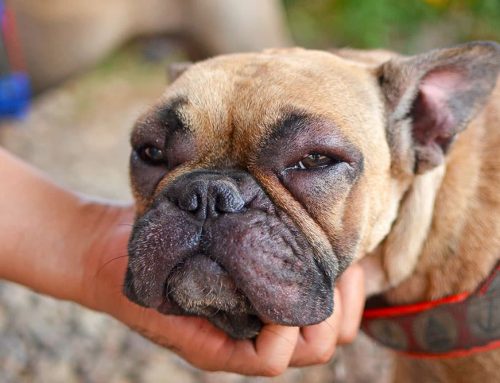
- Color dilution alopecia affects diluted-color coats in breeds like the blue Doberman and the fawn French Bulldog.
- Seasonal flank alopecia waxes and wanes through the year, often returning each winter.
- Sebaceous adenitis destroys the oil glands in breeds like Poodles, Akitas, and Vizslas.
- Zinc-responsive dermatosis shows up in Northern breeds and improves with zinc supplementation.
Once we know which one is in play, we build a long-term plan around the skin you have, not the skin you wish you had.
What If the Skin and Blood Tests Come Back Normal?
When the medical tests are clear, the cause is often behavioral or pain-related, and that is a diagnosis reached by exclusion rather than assumption. The normal results are what justify looking here, because stress-driven and pain-driven grooming look identical from the outside.
On the behavioral side, psychogenic alopecia in cats produces smooth, licked-bare patches tied to life stressors like a move, a new pet, or a household disruption. In dogs, a lick granuloma is what happens when one spot gets licked over and over until the skin breaks down. Our team treats these alongside whatever environmental or routine changes can ease the underlying anxiety.
Hidden pain often hides under the same patterns:
- A cat licking its belly bare sometimes has idiopathic cystitis rather than a stress response.
- A pet licking one joint may be dealing with osteoarthritis and self-soothing.
How Do Nutrition and Grooming Factor In?
Diet and coat care support whatever the diagnosis turns out to be. Hair growth needs steady protein, zinc, and omega fatty acids, so a shortfall shows in the coat first, and targeted supplementation or a skin-support diet often helps recovery. Regular grooming with the right brushing and a gentle, appropriate shampoo distributes natural oils and removes debris, while overbathing strips those oils and works against you. Neither replaces the diagnosis, but both help the coat rebound once the cause is handled.

What Does Treatment Look Like Once We Know?
With the cause named, treatment is direct. Parasites get the specific antiparasitic, infections get targeted antibiotics or antifungals, allergies get anti-itch medication and allergen control, and hormonal disease gets the matching hormone therapy. Behavioral causes get enrichment and sometimes medication, and pain gets its own treatment. Coats generally regrow over weeks to a few months, and follow-up rechecks confirm progress and catch the secondary infections that can crop up partway through. If something looks off during recovery, reach out to us and we will adjust the plan.
Frequently Asked Questions About Diagnosing Hair Loss
How Long Does the Workup Take to Find the Cause?
Often a single visit. In-house cytology and skin scrapings give answers within minutes, and our in-house blood panels return results the same day, so many pets leave with a diagnosis and a plan. Cases that need a fungal culture, an elimination diet trial, or a biopsy take longer, since those depend on growth, time, or lab turnaround.
My Pet Is Thinning Evenly and Isn’t Itchy. What Does That Suggest?
That pattern points toward a hormonal cause, like hypothyroidism or Cushing’s in dogs or hyperthyroidism in cats, or to certain inherited conditions. Bloodwork is usually the logical first test, since it can confirm an endocrine cause before the coat change becomes severe.
Can I Skip Testing and Just Try a Treatment?
It rarely saves time. Because so many causes look alike, treating blindly often means treating the wrong one while the real problem continues. A focused workup, matched to the pattern, is usually faster and cheaper in the end than a string of guesses.
Will My Pet Need Sedation for the Skin Tests?
Usually not. Skin scrapings, tape preps, and cytology are quick and well tolerated by most pets while awake, and bloodwork is a simple blood draw. Sedation only comes into play for a skin biopsy or for a pet too anxious or sore to cooperate, and we will talk that through with you beforehand.
Twin Lakes Veterinary Hospital Is Here to Help
Hair loss almost always has a findable cause, and the sooner the process starts, the less secondary skin damage there is to undo. We will work through it with you patiently, matching the test to the clue rather than guessing. If your dog or cat is losing fur, request an appointment and we will get the workup underway.



Leave A Comment